



The Next Generation of Planning: Why Wellbeing Planners Are Replacing Traditional To-Do Lists
|
|
Time to read 7 min



|
|
Time to read 7 min
The way we plan our days is changing. As global studies highlight an increase in emotional fatigue, attention dysregulation, and chronic stress, a new category of planning tools is emerging, one that prioritizes wellbeing, rest, and emotional regulation alongside productivity.
Traditional planners focus on getting tasks done. The next-generation asks a different question: How do you want to feel?
Research from the Harvard Center on the Developing Child and the American Psychological Association identifies emotional regulation as fundamental to mental health, decision-making, and sustainable goal-setting. Yet in our hyper-busy environment, where most people experience hundreds of interruptions daily — the ability to self-regulate is being eroded by constant distractions, sensory overload, and the misuse of digital tools as substitutes for emotional clarity.
While many digital wellbeing apps exist, users are increasingly turning to simpler, tactile alternatives. Insights from neuroscience show that even micro-rest — short pauses of 1-2 minutes — can help restore attention, reduce cortisol, and improve emotional clarity. What people are seeking now is not more input, but more space.
The Mood Organizer is a new Wellbeing Planner created in response to the rising need for emotional regulation and rest in a digitally saturated world.
This tactile desk planner integrates evidence-based strategies from psychology and behavioral science into a clean, intuitive paper format. It's designed to help individuals find calm, build emotional awareness, and make space for rest — without adding more screen time to their day.
In a world of fast fashion and mass production, it's easy to forget that everything we buy was made by someone. The cheaper the price, the more invisible those hands become. When a product costs less than the materials it's made from, someone, somewhere, is paying the difference—often with their time, their health, or their dignity.
We've been conditioned to expect low prices. To hunt for discounts. To measure value by how little we spend rather than how much we gain. But what if we shifted that perspective? What if we saw the true cost of a product not as an expense, but as an investment in the people and systems that create it?
Unlike traditional planners that focus solely on tasks and appointments, the Mood Organizer guides you to:
Its analog structure eliminates the pressure of notifications and performance metrics, offering a calm, grounded alternative to screen-based wellness tools.
The Mood Organizer combines several research-backed strategies into one intuitive daily practice:
Each day includes space to note your mood and energy level. This simple practice builds emotional granularity — the ability to identify and name specific emotions, which research shows improves emotional regulation and reduces stress.
Weekly prompts invite short pauses for reflection or sensory awareness. These micro-moments help restore attention and create space for rest, even in busy schedules.
The minimalist design reduces visual clutter and cognitive load, making it easier to focus on what matters without feeling overwhelmed.
By removing digital distractions, the Mood Organizer offers a tactile, grounded experience. The act of writing by hand has been shown to improve memory, reduce anxiety, and create a sense of calm.
For decades, planners have been designed around one goal: getting more done. But as burnout rates rise and mental health becomes a global priority, people are realizing that productivity without wellbeing is unsustainable.
The next generation of planning tools recognizes that wellbeing isn't something to schedule around your productivity; it's the foundation of everything else.
Instead of asking "What do I need to accomplish today?" wellbeing planners ask:
This shift doesn't mean abandoning goals. It means approaching them with more intention, less burnout, and deeper alignment with how you actually want to live.
The Mood Organizer is designed for anyone seeking a calmer, more intentional way to plan their days:
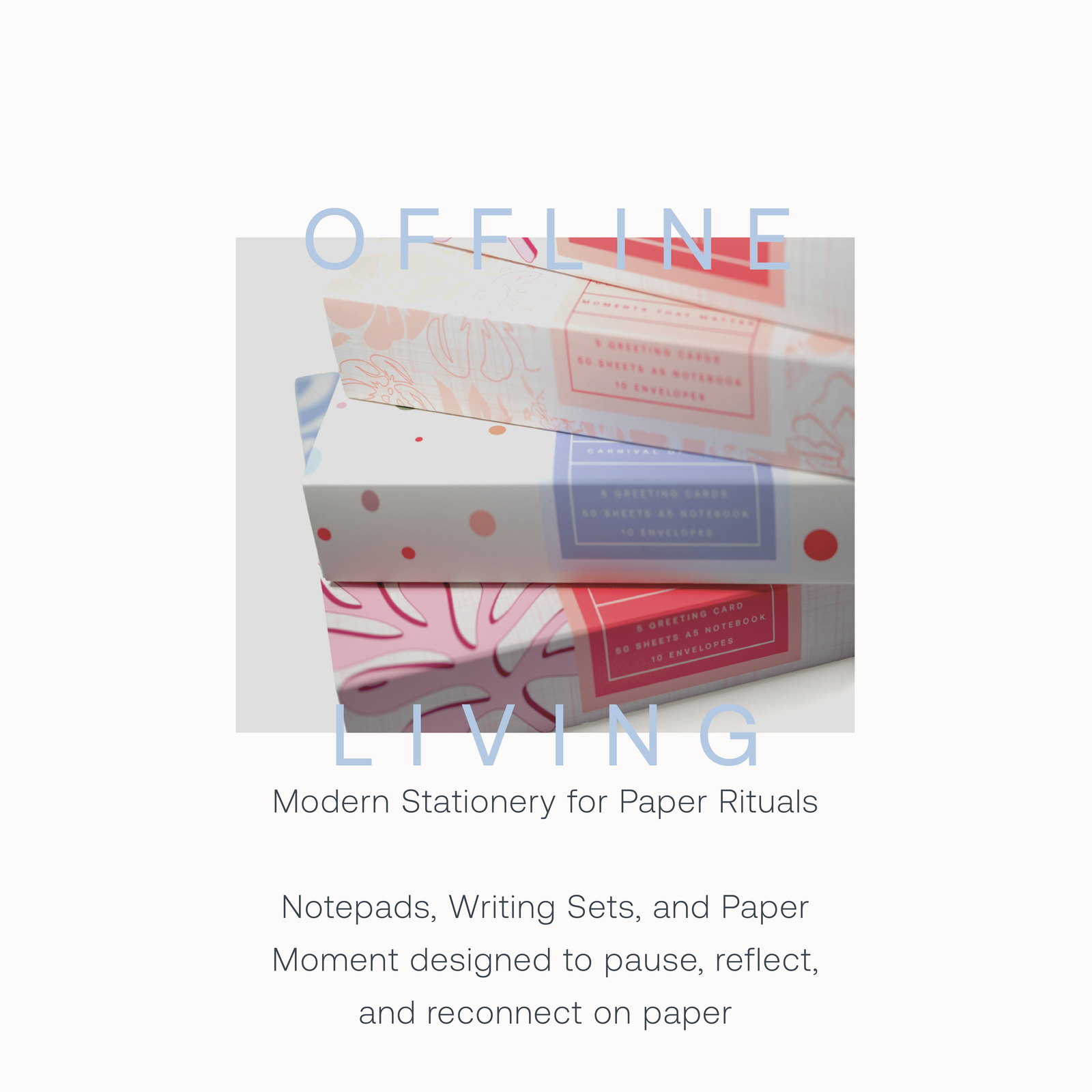
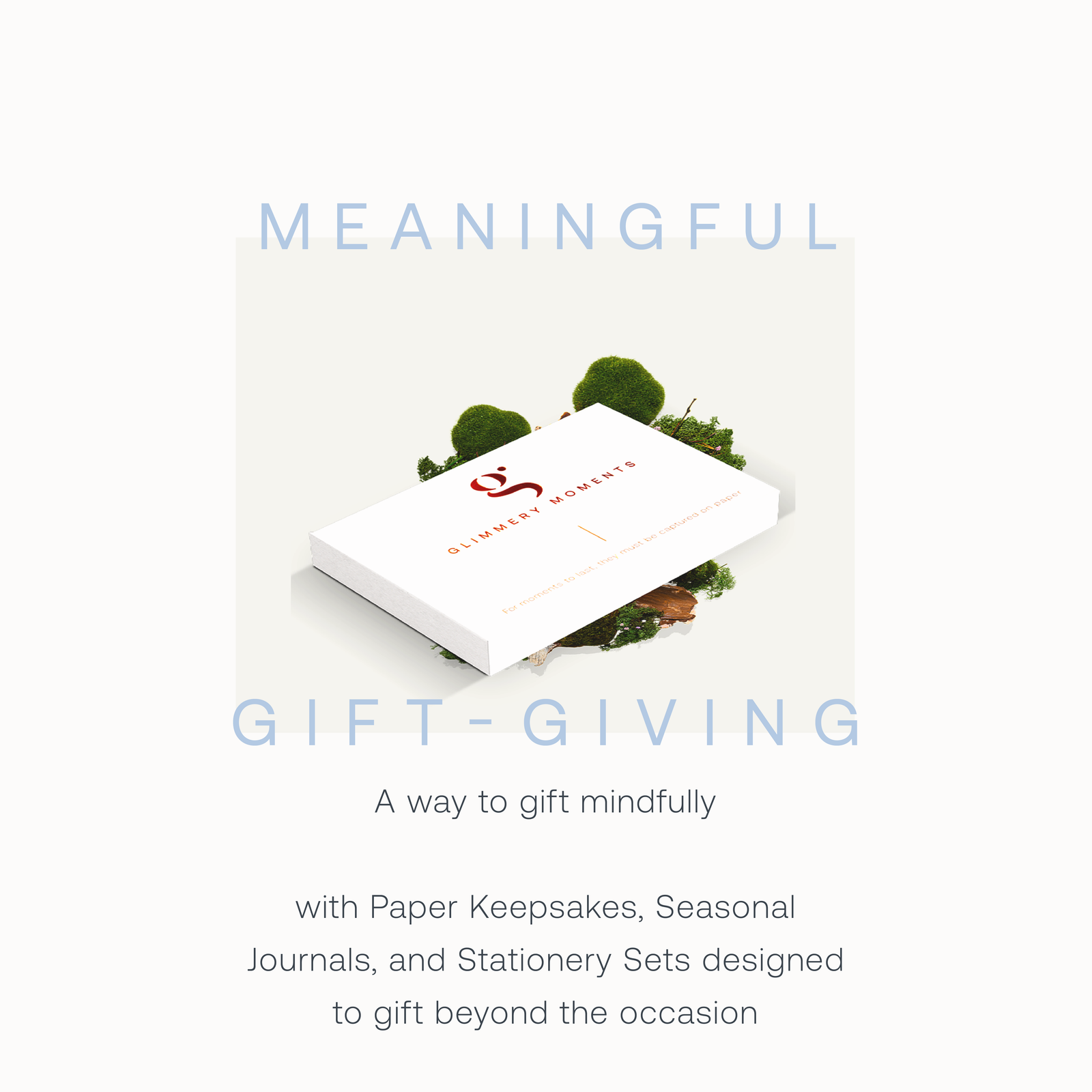
At Glimmery Moments, we design stationery that helps you reconnect — slowly, simply, beautifully.
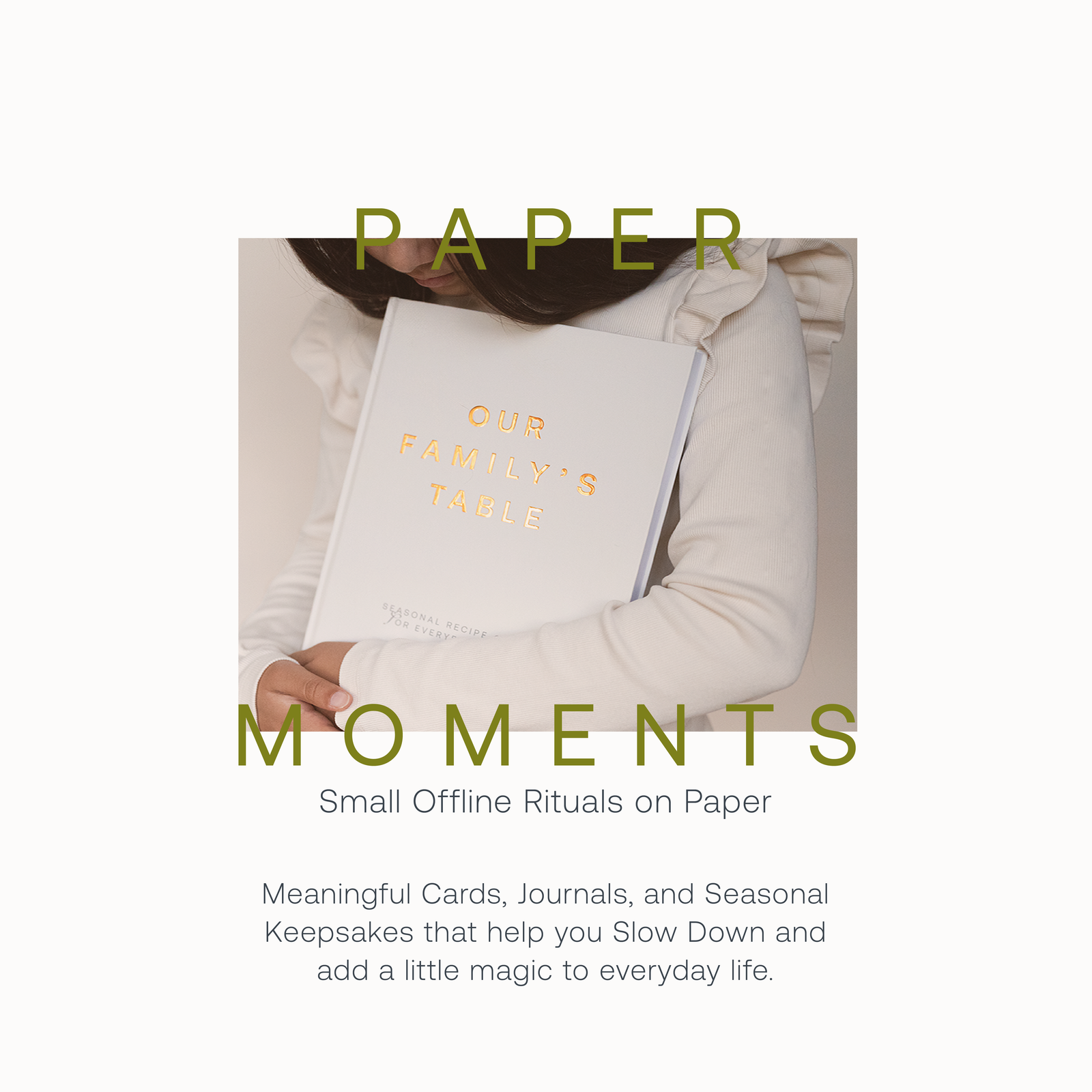
Our Slow Seasonal Recipe Journal is a sensory guide to everyday connection, helping you turn meals into moments worth remembering.
Research consistently shows that writing by hand activates different neural pathways than typing, improving memory retention, emotional processing, and stress reduction. The tactile experience of pen on paper creates a mindful pause that digital tools cannot replicate.
Additionally, removing screens from wellness practices eliminates the cognitive load of notifications, app interfaces, and performance tracking - all of which can increase anxiety rather than reduce it.
The Mood Organizer leverages these insights to create a low-tech, high-impact tool for emotional wellbeing.
Mental health professionals and wellness experts are increasingly recommending analog tools for emotional regulation:
"The ability to pause, check in with yourself, and notice patterns in your emotional state is one of the most powerful skills you can develop. Tools that make this practice simple and accessible are invaluable." — Clinical psychologists studying emotional granularity
"We're seeing a cultural shift away from constant optimization and toward sustainable wellbeing. People want tools that help them live better, not just do more." — Behavioral science researchers
Using the Mood Organizer takes just 5 minutes a day:
This simple rhythm builds emotional awareness, prevents overwhelm, and creates space for rest — all without adding complexity to your day.
As we move into 2026, the conversation around productivity is changing. The next generation of planning tools recognizes that:
The Mood Organizer represents this shift: a return to simplicity, a focus on what truly matters, and a recognition that how we feel is just as important as what we accomplish.
Whether you're looking to prevent burnout, build emotional resilience, or simply create more space for rest in your busy life, the Mood Organizer offers a practical, beautiful tool to support your wellbeing journey.
Begin this season by planning in a way that truly supports your body, mind, and heart.


